OFM Small Area Estimate Program

October 5, 2009

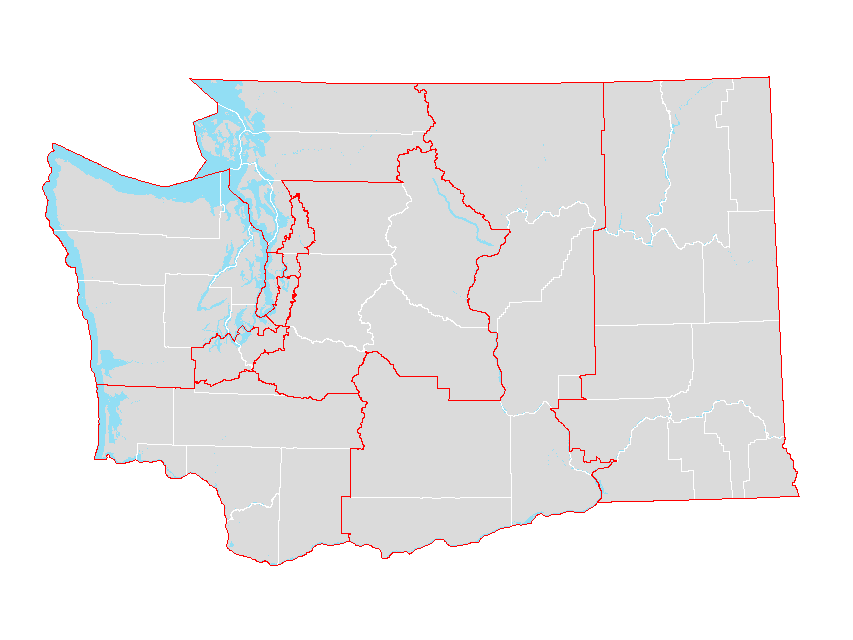
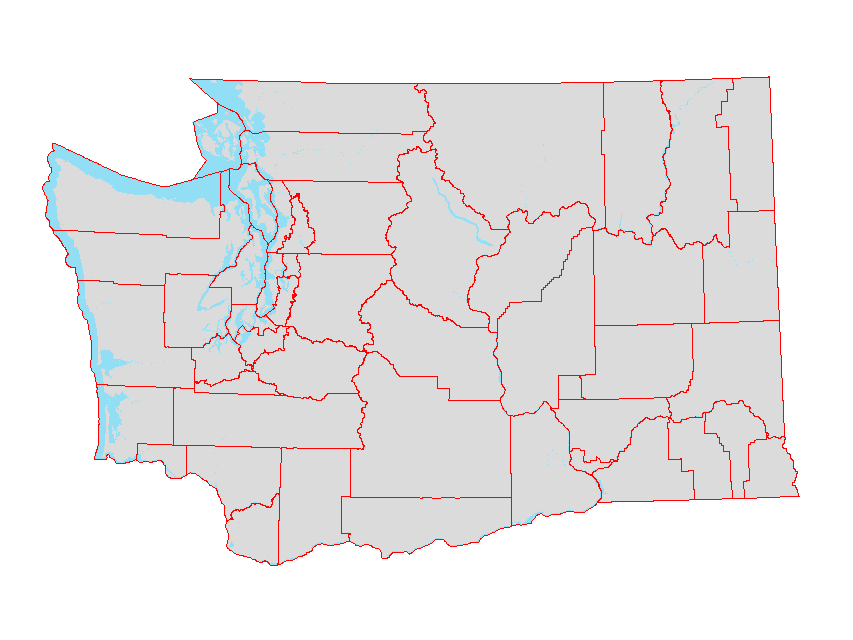
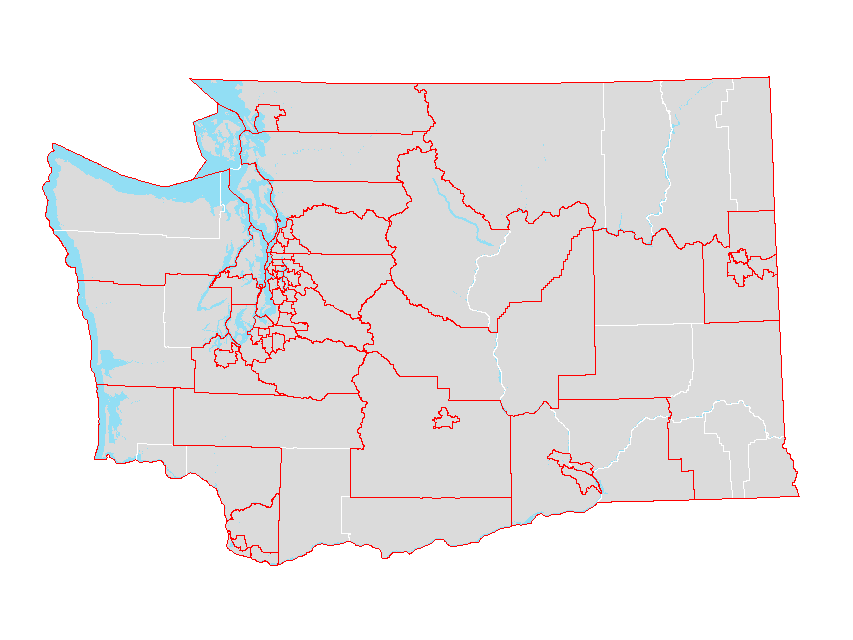
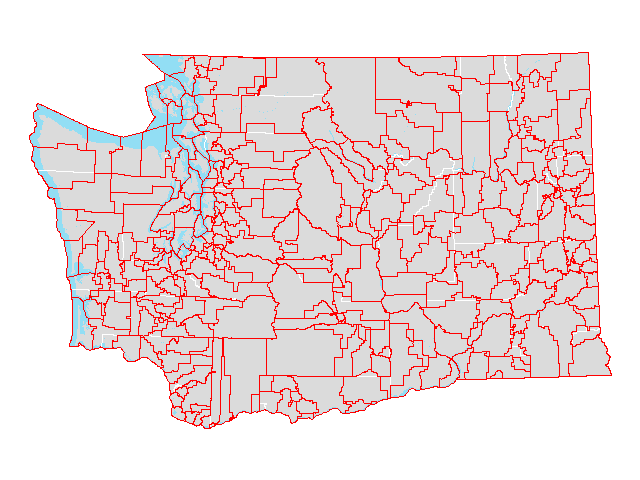
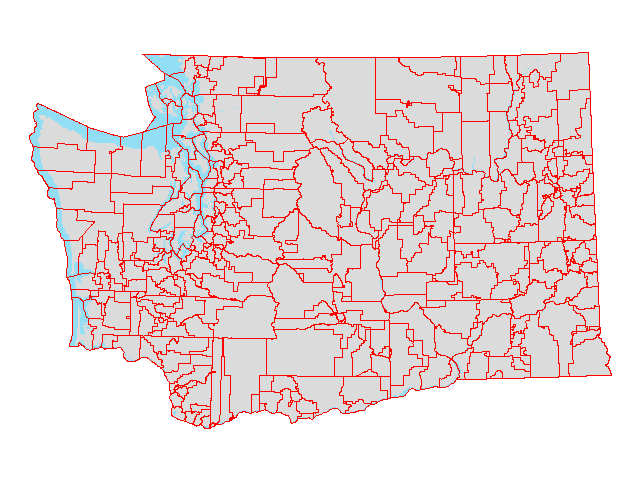
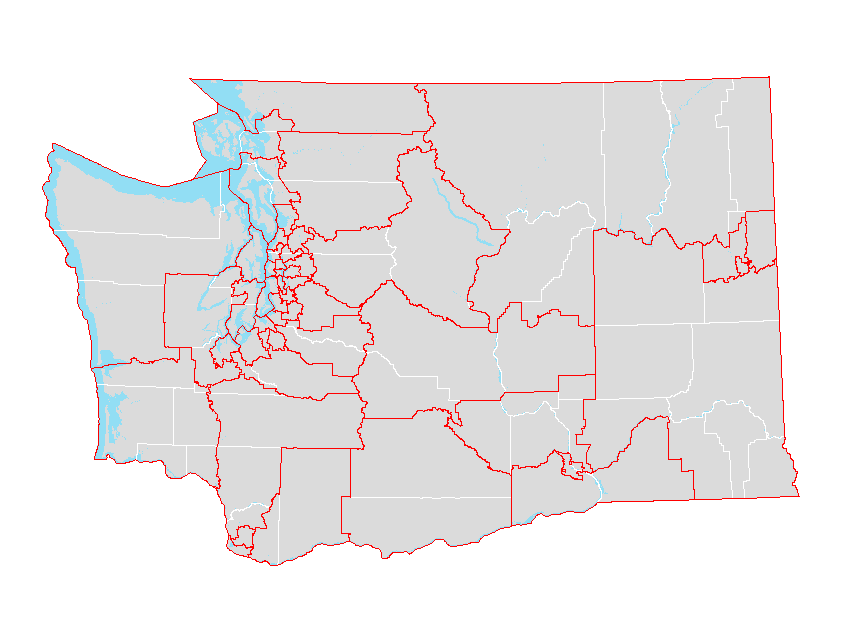
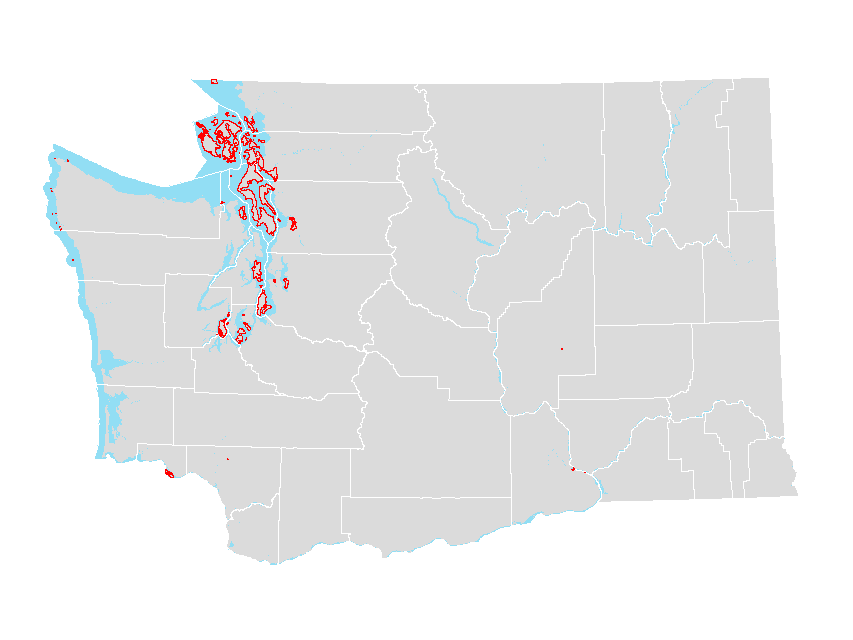
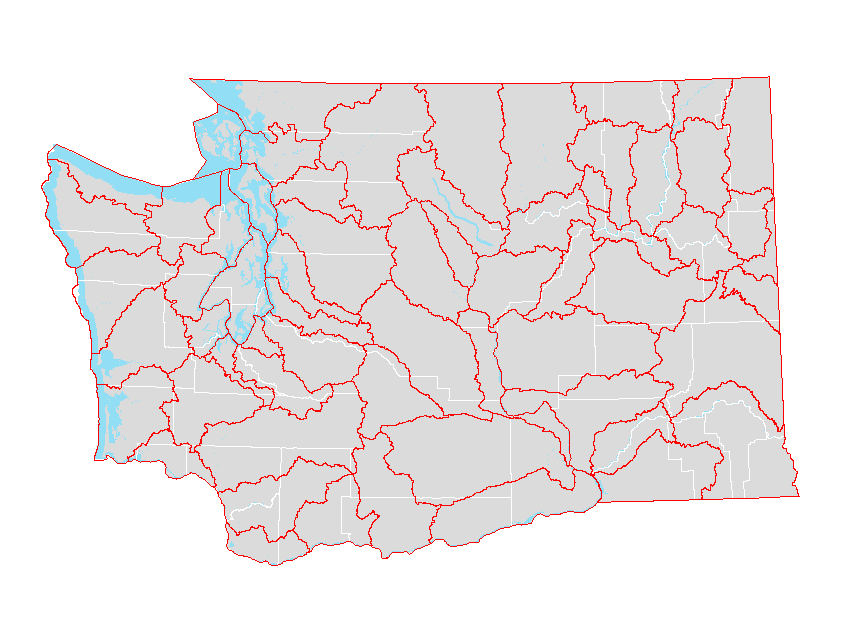
Small Area Estimate Program (SAEP) data for 2009 are now available. Estimates of total population, household population, group quarter population, total housing units, and occupied housing units have been updated with data that incorporates the State’s official April 1, 2009 estimates. SAEP data are available for census-based geographic areas such as tracts, legislative districts, and school districts, as well as other geographic areas such as populated islands and Water Resource Inventory Areas.

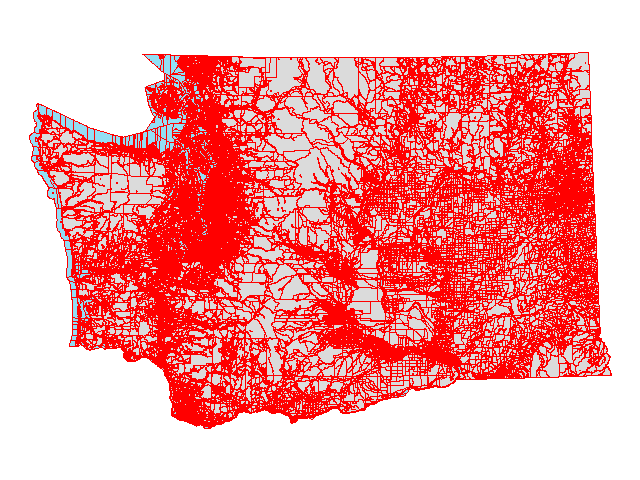
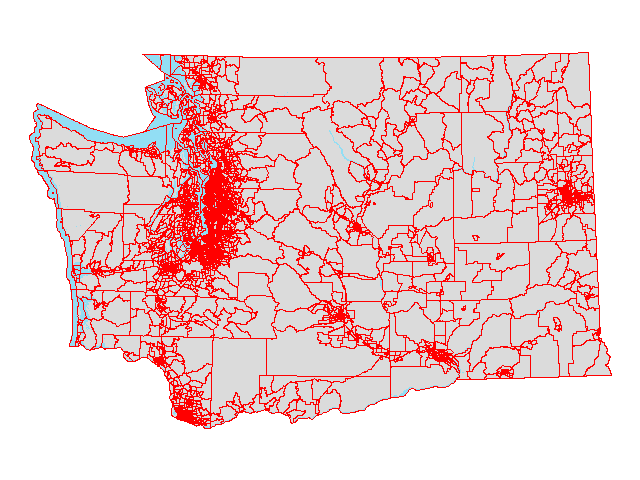
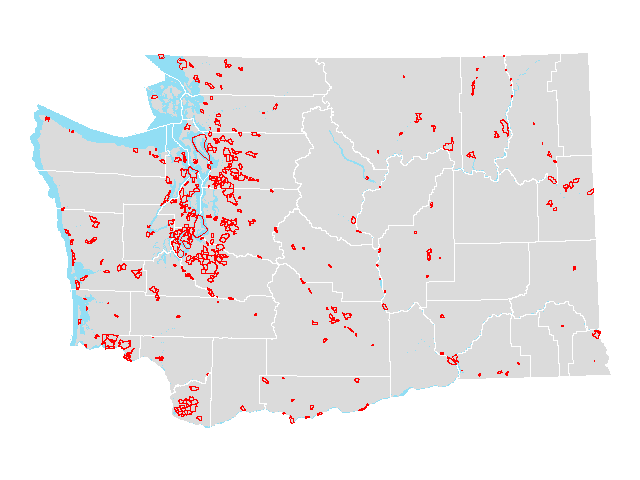
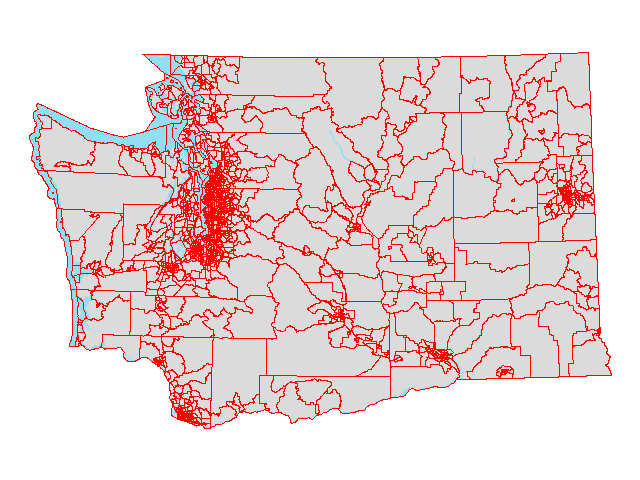
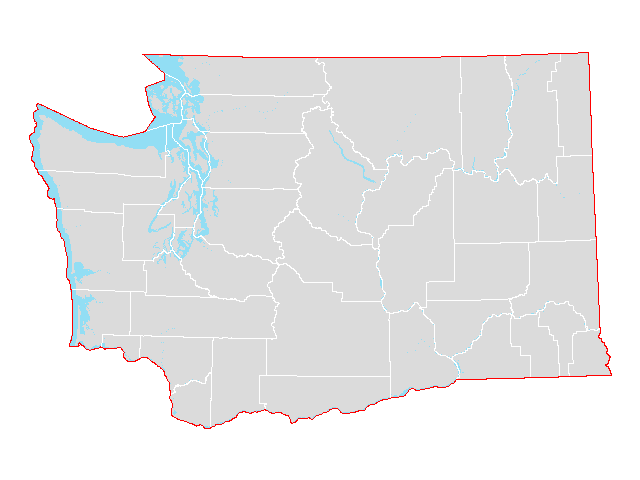
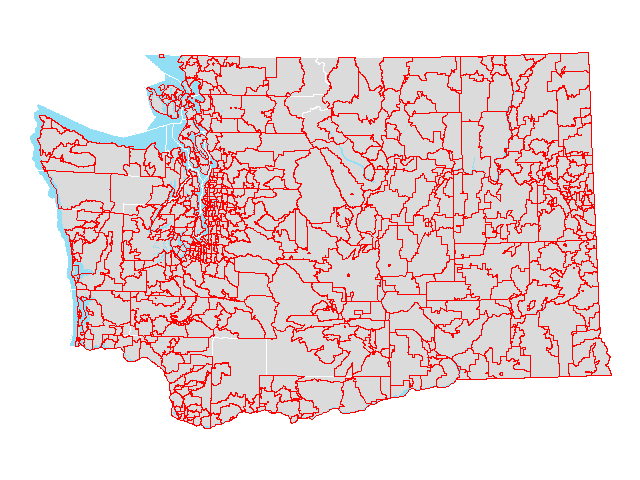
The SAEP data were developed using the Census Bureau's 2008 First Edition TIGER/Line Files. With this TIGER release, all remaining Washington counties have had their geographic features updated through the MAF/TIGER Accuracy Improvement Project (view map).

Users are cautioned to use only one version of SAEP data at a time because: 1) prior estimates are updated when new or more accurate information becomes available, and 2) the estimates may change when changes to underlining geometries occur. It is our hope that the improved spatial accuracy of Census TIGER/Line files will yield more accurate estimates, especially when interpolation methodologies are used.

OFM would like to thank everyone who has provided support and data for the project.

Sincerely,
Mike Mohrman
SAEP Project Lead

About the SAEP Estimates

The Office of Financial Management produces population estimates for special districts and user-defined boundaries through its Small Area Estimate Program (SAEP). The SAEP tracks new and demolished housing units by structure type statewide. Changes to the housing stock are developed and distributed to census blocks using building permit data, assessor records, postal delivery statistics, and census data. Population estimates are derived from the current housing stock using decennial census-based occupancy rates and household size that have been adjusted based on other estimation information. These population estimates are available for public release at the block-group level. For more detailed information please see the Methodology document.

Please Note: SAEP estimates are NOT the official state population estimates used for fund distributions or program management. Although population totals from the official estimates program are used to build SAEP estimates, the two programs differ on how population in annexed areas are treated. Therefore, population estimates from the SAEP and the state's Official April 1 Estimates program are unlikely to match below the county level.

The SAEP estimates are population approximations developed by spatial interpolation procedures described in the Interpolation document. The figures may be subject to census count error and/or modeling error. Estimates may not be directly comparable from year to year due to boundary, data, and methodology changes. Estimates for the current year undergo the most revision because more spatially precise geocoded building permits or assessor data replace less precise postal data when they become available.

Users need to be aware of the limitation of SAEP data. If users choose to calculate occupancy rates and persons per occupied housing unit ratios for their own purposes, they do so at their own risk. SAEP estimates are based on 2000 census data and controlled to OFM's official county/city population estimates. The numbers of total housing and occupied housing are distributed spatially and raked to meet the official OFM totals. In some cases, our methodology may exaggerate declines in occupancy rates and erroneously increase person per household ratios over time. OFM would like to further caution users of this information that trends in population and housing from the SAEP should not be used to develop long range forecasts for small areas. OFM recommends that long term growth expectations for small areas be consistent with long range county growth projections.

Disclaimer: By using these data the user agrees that the Washington State Office of Financial Management shall not be liable for any activity involving these data with regard to lost profits or savings or any other consequential damages; or the fitness for use of the data for a particular purpose; or the installation of the data, its use, or the results obtained.

Regional and Other Local Small Area Data

SAEP estimates are meant to provide a consistent set of small area data for statewide applications. SAEP estimates are not meant to replace regional council of government and other local estimate programs that are integrated with regional transportation and land use planning. County and regional planning agencies are able to make localized adjustments to their data that are difficult to implement on a statewide basis. If your analysis area is completely within the jurisdiction of your local planning agency we suggest you contact them for your data needs.

ESTIMATES FOR CENSUS AREAS, 2000-09

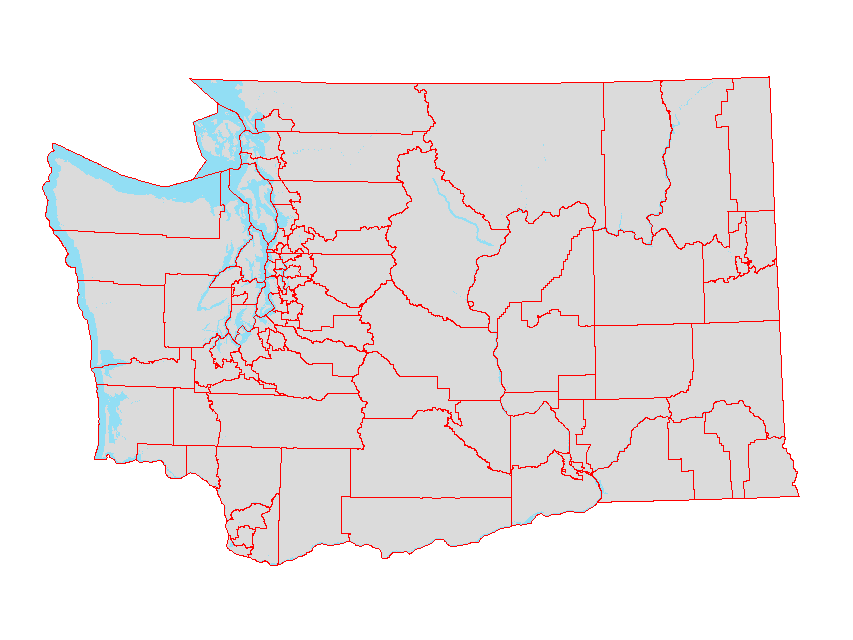
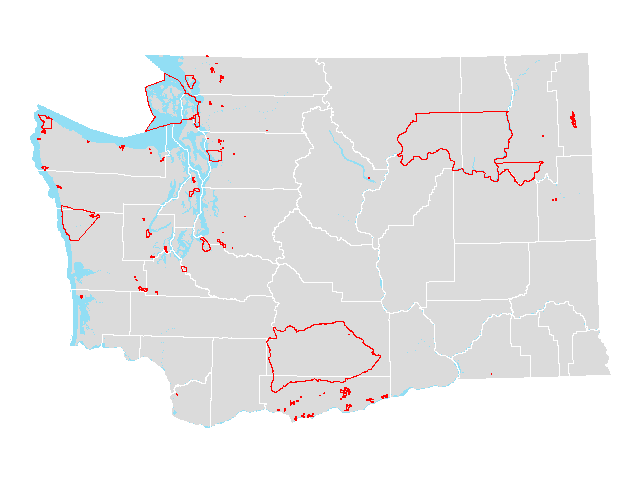
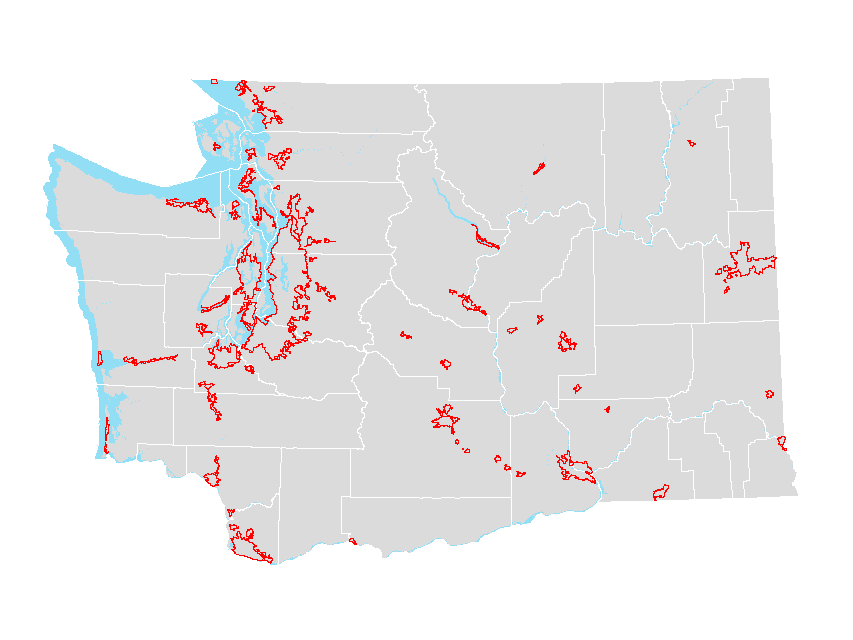
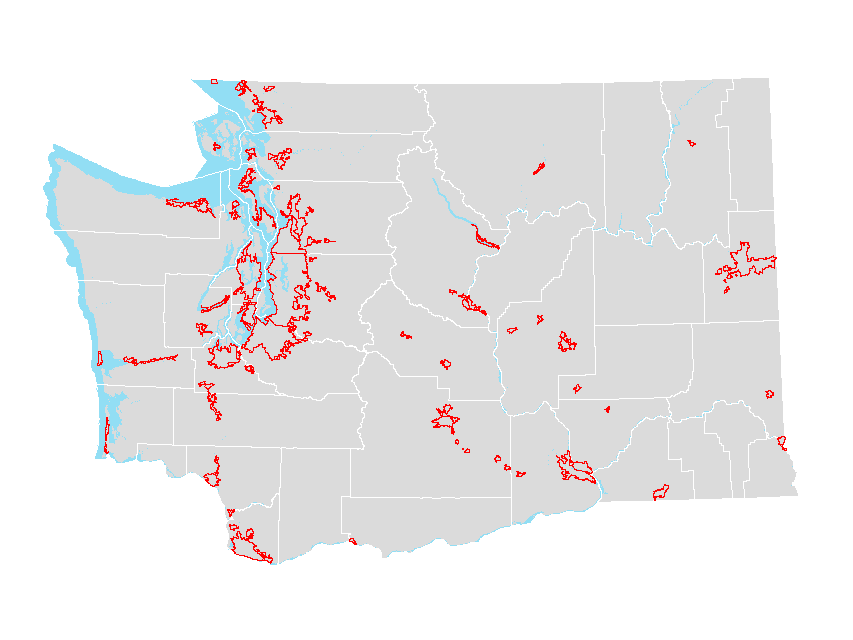
Metadata Link Estimates GIS Files Map
American Indian Areas Excel Shapefile -
Census Block Groups Excel Shapefile Map
Census Designated Places Excel Shapefile -
Census Tracts Excel Shapefile Map
Congressional Districts (110th) Excel Shapefile -
Public Use Microdata Areas (PUMA) - 1 percent Excel Shapefile Map
Public Use Microdata Areas (PUMA) - 5 percent Excel Shapefile Map
School Districts Excel Shapefile -
School Districts (County Parts) Excel Shapefile -
State Legislative Districts Excel Shapefile Map
State Legislative Districts (County Parts) Excel Shapefile -
Urban Areas Excel Shapefile -
Urban Areas (County Parts) Excel Shapefile -
ZIP Code Tabulation Areas, 5-Digit Excel Shapefile -
ZIP Code Tabulation Areas, 5-Digit (County Parts) Excel Shapefile -


ESTIMATES FOR OTHER AREAS, 2000-09

Metadata Link Estimates GIS Files Map
Census Block Group to Legislative District Crosswalk,
2000 and 2009
Excel - -
Fire Protection Districts Excel - Map
Selected Islands Excel - -
Water Resource Inventory Areas (WRIA)
Washington State Department of Ecology
Excel Shapefile Map

Last modified: December 10, 2009
E-mail: OFM.Forecasting@ofm.wa.gov